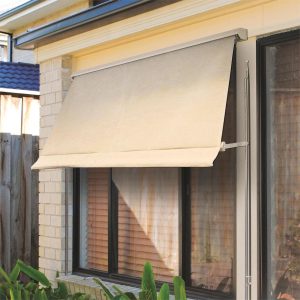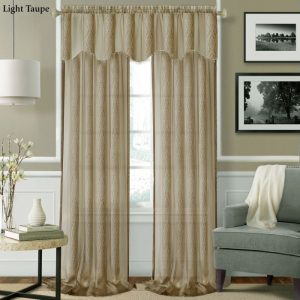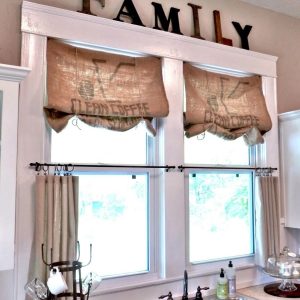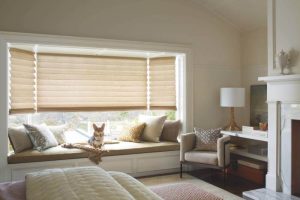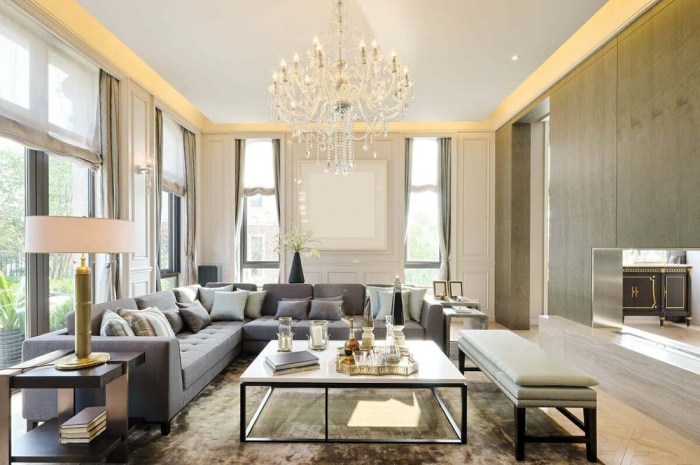
Embark on a journey of creativity and innovation with DIY window treatment ideas, exploring unique ways to elevate the ambiance of your living spaces.
Discover the art of crafting personalized window treatments that not only enhance the aesthetic appeal of your rooms but also reflect your individual style and personality.
WINDOW TREATMENTS
Window treatments play a crucial role in interior design, as they not only provide privacy and control light but also contribute to the overall aesthetic of a room. Choosing the right window treatment can enhance the style and ambiance of any space.
Different Types of Window Treatments
- Curtains: One of the most common window treatments, available in various fabrics, colors, and patterns.
- Blinds: Offer versatility with different materials like wood, faux wood, and aluminum, providing light control options.
- Shades: Come in different styles such as Roman, roller, and cellular, offering both light filtering and blackout options.
- Shutters: Provide a classic and timeless look, available in various materials like wood, vinyl, and composite.
Enhancing Aesthetic Appeal
Window treatments can transform the look and feel of a room by adding texture, color, and dimension. They can create a focal point, complement existing decor, or even make a small space appear larger. Choosing the right window treatment that aligns with the overall design scheme can elevate the visual appeal of any room.
DIY WINDOW TREATMENT IDEAS
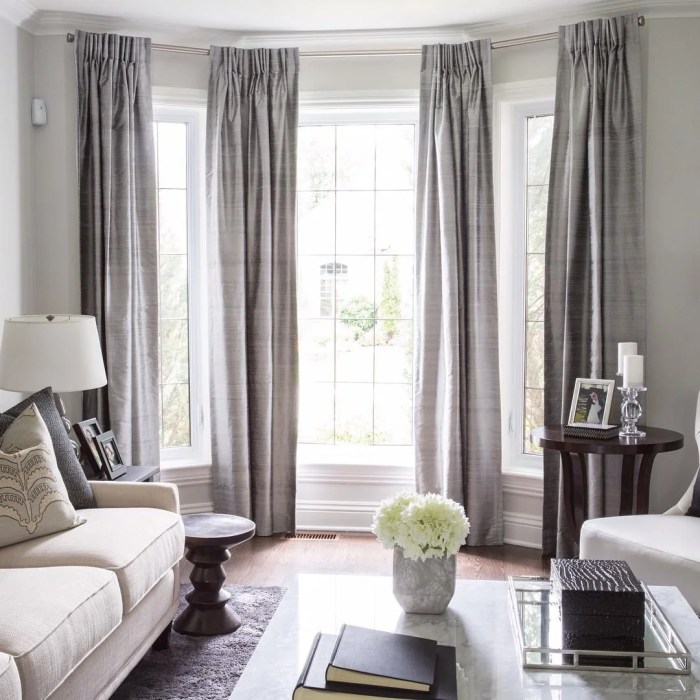
When it comes to sprucing up your windows without breaking the bank, DIY window treatments are the way to go. Not only can you add a personal touch to your space, but you can also repurpose items you already have to create beautiful and unique window coverings.
Creating No-Sew Curtains
No-sew curtains are a great option for those who aren’t comfortable with a needle and thread. Here’s a simple step-by-step guide to creating your own:
- Measure your window and determine the length and width of the fabric you’ll need.
- Choose a fabric that complements your decor and cut it to size.
- Use fabric glue or iron-on adhesive tape to create hems on the sides and bottom of the fabric.
- Add curtain clips or grommets to the top of the fabric for easy hanging.
- Hang your new curtains and enjoy your custom window treatment!
Repurposing Old Linens
Don’t throw away old linens – repurpose them into beautiful window treatments instead. Here are some creative ideas to get you started:
- Turn vintage tablecloths or napkins into unique valances or cafe curtains.
- Use old bed sheets to create breezy and light curtain panels for a relaxed look.
- Sew together fabric scraps to make a patchwork curtain for a bohemian vibe.
Making Custom Window Shades
If you’re looking for an inexpensive way to cover your windows, consider making custom shades using materials you already have at home. Here’s how:
- Measure your window and cut a piece of cardboard or sturdy fabric to fit.
- Add a decorative touch by painting or covering the material in fabric.
- Attach the shade to your window frame using adhesive hooks or Velcro for easy removal.
- Add a pull cord or tassel for a stylish finish.
CURTAINS AND DRAPES

When it comes to window treatments, curtains and drapes are popular choices that can enhance the style and functionality of a room. Understanding the differences between the two can help you make the right choice for your space.
Curtains are typically lighter in weight and are often used for decorative purposes. They can be easily opened and closed, allowing for more natural light to enter the room. Drapes, on the other hand, are heavier and provide better insulation and light-blocking capabilities. They are ideal for rooms where privacy and light control are important.
Choosing the Right Fabric for Curtains
When selecting fabric for your curtains, consider the room’s lighting conditions. For rooms that receive a lot of natural light, opt for light-colored, lightweight fabrics like cotton or linen to allow sunlight to filter through. In rooms that require more privacy or light control, heavier fabrics like velvet or silk can help block out light and provide insulation.
Measuring Windows for Custom Curtain Fittings
Accurate measurements are crucial when it comes to custom curtain fittings. Start by measuring the width of the window from one side to the other, adding a few extra inches on each side to allow the curtains to fully cover the window when closed. Next, measure the length from the top of the window frame to where you want the curtains to fall.
Be sure to account for any rods or tracks that will be used to hang the curtains.
BLINDS AND SHUTTERS
Blinds and shutters are popular window treatments that offer both practicality and style to any room. While they both serve the purpose of controlling light and privacy, there are distinct differences between the two in terms of design and functionality.Blinds are typically made of slats or vanes that can be adjusted to control the amount of light entering a room.
They come in various materials such as wood, aluminum, or vinyl, offering a wide range of styles to choose from. On the other hand, shutters are solid coverings with louvers that can be opened or closed to regulate light and airflow. Shutters are often considered more durable and offer a classic, timeless look to any space.
Installing Blinds or Shutters for Various Window Sizes
- Measure the width and height of your window accurately before purchasing blinds or shutters to ensure a proper fit.
- For standard size windows, it is advisable to choose ready-made blinds or shutters that can be easily installed with the help of mounting brackets.
- For larger or irregularly shaped windows, consider custom-made blinds or shutters that can be tailored to fit perfectly.
- Follow the manufacturer’s instructions carefully when installing blinds or shutters to ensure proper functionality and longevity.
Maintaining and Cleaning Blinds and Shutters Effectively
- Dust blinds or shutters regularly with a microfiber cloth or duster to prevent the buildup of dirt and grime.
- For deeper cleaning, use a mild detergent mixed with water to gently wipe down blinds or shutters. Avoid harsh chemicals that may damage the material.
- For wooden blinds or shutters, consider using a wood polish to maintain their shine and prolong their lifespan.
- Inspect blinds or shutters periodically for any signs of damage or wear and tear, and address any issues promptly to prevent further damage.
VALANCES AND CORNICES
Valances and cornices are decorative elements that are used in window treatments to add style and visual interest to a room. They are usually placed at the top of windows to conceal curtain rods or blinds, creating a polished and finished look.
DIY Valances Using Fabric Remnants or Ribbons
Valances can be easily created using fabric remnants or ribbons for a unique and personalized touch to your windows. Here are some creative ideas to make DIY valances:
- Use leftover fabric scraps to create a simple gathered valance by sewing the pieces together and attaching them to a curtain rod.
- Create a no-sew valance by using fabric glue to attach ribbons or fabric strips to a piece of cardboard cut to the desired shape.
- Add decorative trim or tassels to a plain fabric valance to add a touch of elegance and flair.
Incorporating Valances and Cornices for a Finished Look
Valances and cornices can be incorporated into window treatments to add a finishing touch and elevate the overall design of a room. Here are some tips on how to use them effectively:
- Choose a fabric that complements the existing decor and color scheme of the room.
- Hang valances or cornices slightly above the window frame to create the illusion of taller windows and make the room feel more spacious.
- Pair valances with curtains or blinds to create a layered look that adds depth and interest to the windows.
Unleash your inner designer and revamp your home with these DIY window treatment ideas that combine functionality with elegance, adding a touch of sophistication to every corner.
FAQ Compilation
How can I customize my window treatments without sewing?
You can create no-sew curtains using fabric glue or iron-on adhesive tape for a quick and easy alternative.
Are there eco-friendly options for DIY window treatments?
Yes, you can repurpose old linens or fabrics to craft unique and sustainable window treatments.
What materials can I use to make custom window shades on a budget?
You can use materials like paper, bamboo, or even vinyl to create custom window shades without breaking the bank.