Delving into Best window treatments for privacy, this introduction immerses readers in a unique and compelling narrative, with casual formal language style that is both engaging and thought-provoking from the very first sentence.
When it comes to creating a private sanctuary in your home, the right window treatments can make all the difference. From elegant curtains to sleek blinds, the options are endless. Let’s explore the best window treatments for privacy that not only shield you from prying eyes but also add a touch of style to your space.
WINDOW TREATMENTS
Window treatments are essential elements in interior design that serve multiple purposes, including enhancing privacy, controlling light levels, and adding style to a room’s decor. They are functional and decorative solutions for covering windows while offering various benefits to the overall ambiance of a space.
Types of Window Treatments
- Curtains: Fabric panels that can be opened or closed to control light and privacy.
- Blinds: Horizontal or vertical slats that can be adjusted to allow light in or block it out.
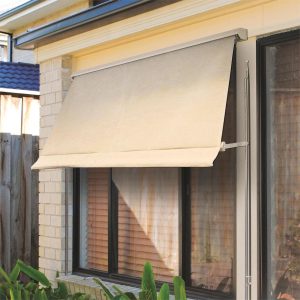
- Shades: Solid sheets of fabric that can be raised or lowered to cover the window.
- Shutters: Solid panels that swing open or closed to cover the window.
Choosing the Right Window Treatment for Privacy
Window treatments play a crucial role in maintaining privacy within a space. It is important to select the appropriate type of treatment based on the level of privacy needed in each room. For example, sheer curtains may offer a soft filter of light while still providing privacy, whereas blackout shades can completely block out light and prying eyes.
Enhancing Room Aesthetics
Window treatments can significantly impact the overall look and feel of a room. The color, texture, and style of the treatments can complement existing decor or act as a statement piece. By choosing the right window treatments, you can enhance the aesthetic appeal of a room and create a cohesive design scheme.
Best Window Treatments for Privacy
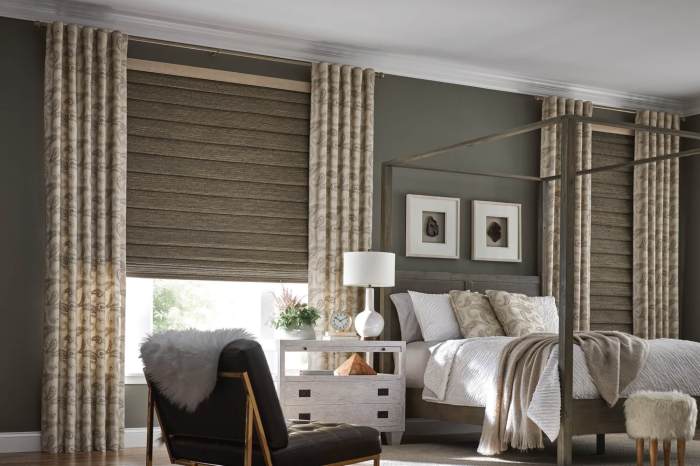
When it comes to ensuring privacy in your home, choosing the right window treatments can make a significant difference. Here, we will explore some of the top window treatments known for providing maximum privacy and their benefits.
Curtains for Privacy
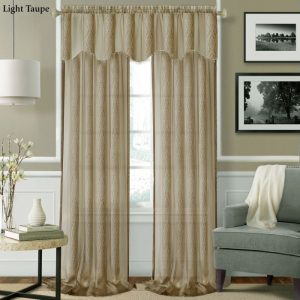
Curtains are a classic choice for maintaining privacy in any room. They come in various fabrics, colors, and opacities, allowing you to control the amount of light and visibility into your space. Additionally, curtains can add a touch of style and elegance to your decor while offering the privacy you need.
Blinds for Privacy
Blinds are another popular option for maintaining privacy in your home. They are available in different materials such as wood, faux wood, aluminum, and vinyl, offering varying levels of privacy and light control. With blinds, you can easily adjust the slats to let in natural light while blocking the view from outside.
Shades for Privacy
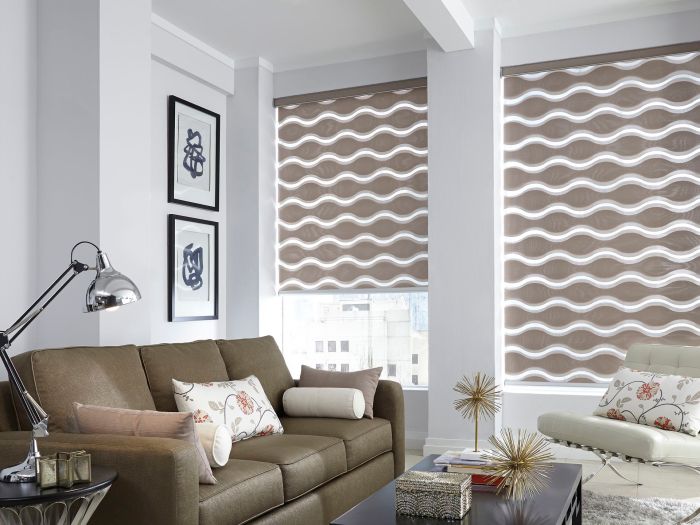
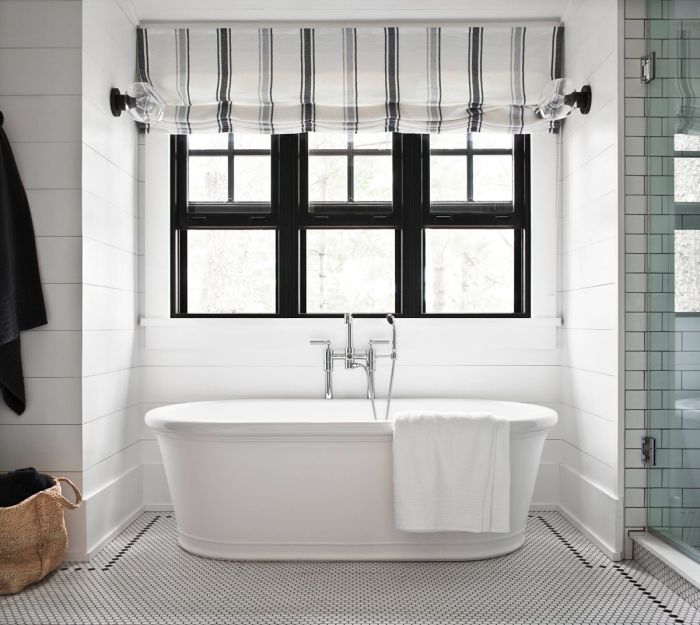
Shades come in various styles like cellular, Roman, roller, and sheer, each offering unique benefits for privacy. Cellular shades, also known as honeycomb shades, provide excellent insulation and privacy due to their cellular design. Roman shades offer a classic and elegant look while providing privacy when fully closed. Roller shades are simple and practical, offering privacy with a clean and modern aesthetic.
Sheer shades allow natural light to filter through while maintaining a level of privacy.Choose the window treatment that best suits your needs and preferences to create a private and comfortable environment in your home.
Curtains for Privacy
When it comes to enhancing privacy in your home, curtains can be a versatile and effective window treatment option. Not only do they offer a sense of coziness and style, but they also provide an extra layer of privacy from prying eyes.
Heavy Curtains for Better Privacy
- Heavy curtains made from thick materials like velvet or blackout fabrics are excellent choices for maximizing privacy in your space. These dense fabrics not only block out light but also help to muffle sound, creating a more private atmosphere.
- Consider investing in lined curtains to add an extra layer of thickness and opacity, further enhancing the privacy benefits of your window treatments.
Layering Curtains for Enhanced Privacy
- Layering curtains is a great way to boost privacy levels while also adding depth and style to your windows. Start with a sheer or lightweight curtain to allow natural light to filter through during the day, then add a heavier curtain for increased privacy in the evening.
- Opt for double curtain rods to easily switch between sheer and heavy curtains, giving you the flexibility to adjust your privacy levels throughout the day.
Different Fabric Options for Privacy
- When choosing curtains for privacy, opt for fabrics like velvet, satin, or tightly woven polyester blends that offer excellent light-blocking properties. These fabrics not only provide privacy but also help to insulate your windows, keeping your space cozy and energy-efficient.
- Consider adding a thermal lining to your curtains for enhanced privacy and energy savings, as the extra layer helps to regulate room temperature and block out unwanted noise.
Choosing the Right Curtain Length
- For optimal privacy, make sure your curtains are long enough to reach the floor or even pool slightly on the ground. This prevents any gaps at the bottom of the window, ensuring maximum coverage and privacy.
- When measuring for curtain length, consider mounting your curtain rod higher than the window frame to create the illusion of taller windows and to prevent light from filtering through the top.
Blinds for Privacy
Blinds are a versatile window treatment option that can be adjusted to control privacy and natural light in a room. By simply tilting the slats, you can easily regulate the amount of light entering the space while maintaining your desired level of privacy.
Materials Used in Blinds
Blinds are available in various materials such as wood, faux wood, aluminum, and fabric. Each material offers different levels of privacy based on their opacity and thickness. For example, wooden blinds provide a high level of privacy due to their solid construction, while fabric blinds may offer a softer, filtered light effect.
Maintenance Requirements
To ensure long-term privacy benefits, regular maintenance of blinds is essential. Dusting or vacuuming the slats periodically can help prevent dust buildup and maintain privacy. For deeper cleaning, wiping down the blinds with a damp cloth or using a gentle cleaning solution can keep them looking fresh and functioning properly.
Combining Blinds with Other Treatments
For enhanced privacy, consider combining blinds with other window treatments such as curtains or sheer panels. Layering blinds with curtains not only adds a decorative touch to your space but also provides an extra barrier against prying eyes. Sheer panels can be used to soften the light while maintaining privacy when the blinds are open.
In conclusion, finding the best window treatments for privacy is not just about blocking out unwanted glances—it’s about creating a cozy and chic atmosphere in your living space. By choosing the right curtains, blinds, or shades, you can achieve the perfect balance between seclusion and sophistication. Elevate your home decor with these privacy-enhancing window treatments today.
User Queries
What is the best type of window treatment for maximum privacy?
The top window treatments known for providing maximum privacy are blackout curtains, cellular shades, and top-down bottom-up blinds.
How can I enhance the privacy of curtains?
To enhance the privacy of curtains, you can layer them with sheer curtains or install a curtain liner. This helps to block out more light and prying eyes.
Are blinds more effective than curtains for privacy?
Blinds are often considered more effective than curtains for privacy as they offer better light control and can be adjusted to let in just the right amount of daylight.
What are the maintenance requirements for blinds to ensure long-term privacy benefits?
To ensure long-term privacy benefits, blinds should be regularly dusted and cleaned according to the manufacturer’s instructions. This prevents dust buildup and maintains their functionality.