Energy-efficient window treatments set the stage for this enthralling narrative, offering readers a glimpse into a story that is rich in detail and brimming with originality. From exploring the concept to discussing smart features and technology, this topic delves into the world of energy-efficient solutions for homes.
Energy-efficient Window Treatments
Energy-efficient window treatments play a crucial role in maintaining a comfortable indoor environment while reducing energy consumption. These treatments are designed to minimize heat loss during winter and prevent heat gain during summer, ultimately helping to lower heating and cooling costs.
Popular Energy-efficient Window Treatment Options
- Insulated Curtains: Thick curtains with multiple layers help to trap heat inside during colder months and block sunlight to prevent overheating in warmer seasons.
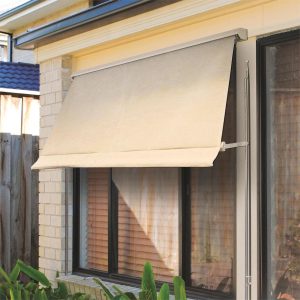
- Solar Shades: These shades are made from tightly woven materials that block UV rays and reduce solar heat gain, allowing natural light to enter while maintaining a comfortable temperature.
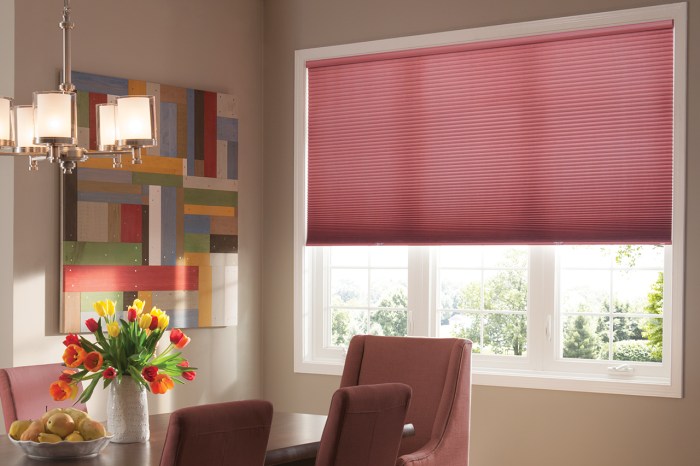
- Cellular Shades: Also known as honeycomb shades, these window treatments have a unique cellular design that traps air, providing insulation and improving energy efficiency.
- Window Films: Thin films applied to windows can reduce heat transfer, block UV rays, and minimize glare, contributing to energy savings and improved comfort.
Benefits of Using Energy-efficient Window Treatments
- Lower Energy Bills: By reducing the need for heating and cooling, energy-efficient window treatments can lead to significant cost savings on energy expenses.
- Enhanced Comfort: Maintaining a consistent indoor temperature with these treatments can create a more comfortable living environment throughout the year.
- Reduced Environmental Impact: Decreased energy consumption means a smaller carbon footprint, contributing to a more sustainable lifestyle.
Types of Window Treatments
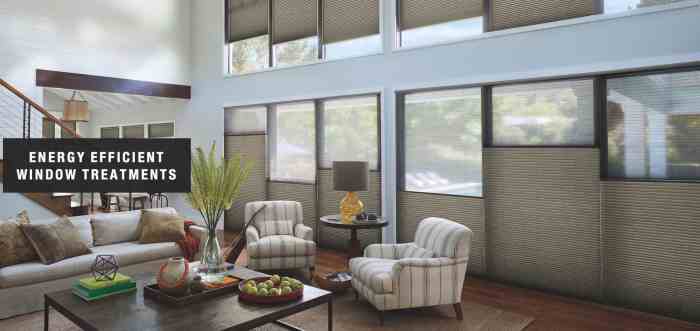
When it comes to energy-efficient window treatments, there are several options available in the market. These include curtains, blinds, shades, and shutters, each with its own unique features and benefits.
Curtains
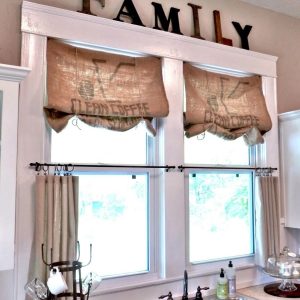
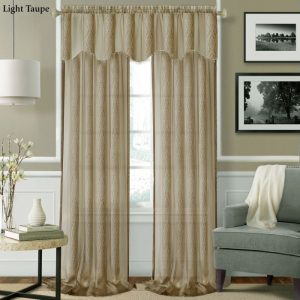
Curtains are a popular choice for window treatments and come in a variety of styles, colors, and fabrics. While they can add a decorative touch to a room, their energy efficiency varies depending on the fabric and lining. Thick, insulating curtains can help reduce heat loss in winter and heat gain in summer, thus impacting energy consumption in a home.
Blinds
Blinds are another common window treatment option that offers flexibility in controlling light and privacy. They can be adjusted to allow natural light in or block it out, helping to regulate the temperature inside a room. However, the material and design of blinds can affect their energy efficiency, with some providing better insulation than others.
Shades
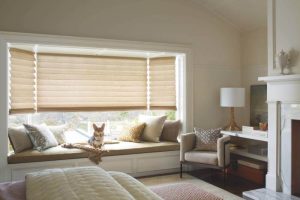
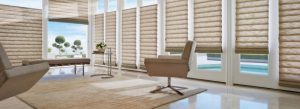
Shades are simple and versatile window treatments that come in various styles such as roller shades, cellular shades, and Roman shades. They are known for their ability to block out sunlight and provide insulation, thus helping to reduce the need for heating or cooling. Cellular shades, in particular, are designed to trap air in their honeycomb structure, improving energy efficiency.
Shutters
Shutters are a more permanent window treatment option that can add value to a home while offering energy-saving benefits. They provide excellent insulation by creating a barrier between the window and the interior space, helping to maintain a consistent temperature. Plantation shutters, for example, can be adjusted to control light and ventilation, reducing the reliance on artificial cooling or heating.
Design and Material Considerations
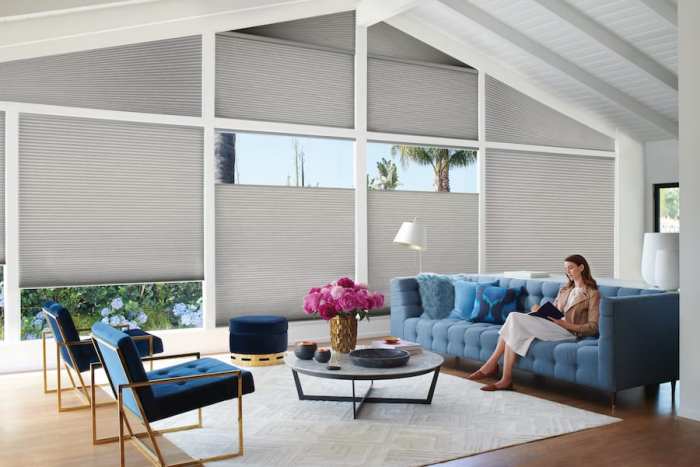
When it comes to energy-efficient window treatments, the design and materials used play a crucial role in maximizing energy savings and enhancing the overall efficiency of your home.Explain how the design of window treatments can affect energy efficiency:The design of window treatments impacts how well they can insulate your home, reduce heat gain in the summer, and prevent heat loss in the winter.
Properly designed window treatments can create a barrier between the interior of your home and the outdoor elements, helping to maintain a comfortable temperature inside.Provide tips on choosing the right materials for energy-efficient window treatments:
- Look for materials with good insulating properties, such as cellular shades, insulated curtains, or reflective films.
- Consider the thickness and density of the materials, as thicker and denser fabrics or materials provide better insulation.
- Opt for materials that can effectively block out sunlight and UV rays to reduce heat gain during the summer months.
- Choose eco-friendly and sustainable materials to minimize environmental impact and promote energy efficiency.
Discuss the importance of proper installation for maximizing energy savings:Proper installation of energy-efficient window treatments is essential to ensure they function effectively. Poorly installed treatments can leave gaps or spaces that allow air leakage, reducing their overall efficiency. Make sure to follow manufacturer instructions or consult with a professional to ensure proper installation and maximize energy savings in your home.
Smart Features and Technology
Smart features and technology play a crucial role in enhancing the energy efficiency of window treatments. By incorporating automation, sensors, timers, and innovative technologies, modern window treatments can significantly reduce energy consumption and improve overall comfort in a space.
Automation for Energy Efficiency
Automation systems allow window treatments to adjust automatically based on factors like sunlight, temperature, and time of day. For example, motorized blinds or shades can be programmed to open and close at specific times to optimize natural light and heat gain, reducing the need for artificial lighting or heating.
Sensors and Timers for Optimal Performance
Sensors can detect changes in light intensity or room temperature, triggering the window treatments to adjust accordingly. Timers can be set to raise or lower blinds or shades at specific times, maximizing energy savings by blocking out heat during peak sunlight hours or retaining warmth during colder periods.
Examples of Innovative Technologies
Smart glass
Electrochromic or thermochromic glass can change tint or opacity in response to external conditions, helping to regulate light and heat transmission.
Solar-powered shades
Window treatments equipped with solar panels can generate their own power, reducing reliance on external electricity sources.
App-controlled systems
Some window treatments can be controlled remotely through smartphone apps, allowing users to adjust settings and schedules from anywhere for maximum convenience and energy efficiency.
In conclusion, energy-efficient window treatments not only provide stylish decor but also offer practical benefits by reducing energy consumption in homes. By incorporating smart features and choosing the right materials, homeowners can maximize energy savings while enhancing their living spaces.
Q&A
How do energy-efficient window treatments impact home energy consumption?
Energy-efficient window treatments help regulate indoor temperatures, reducing the need for heating or cooling systems and ultimately lowering energy usage.
What are some popular examples of energy-efficient window treatments?
Popular options include cellular shades, insulated curtains, and solar control films that help in minimizing heat loss and gain.
Why is proper installation important for energy-efficient window treatments?
Proper installation ensures a tight seal around windows, preventing air leaks and maximizing the efficiency of the treatments.