With Blinds vs curtains for window treatments at the forefront, this paragraph opens a window to an amazing start and intrigue, inviting readers to embark on a storytelling filled with unexpected twists and insights.
When it comes to enhancing your space with window treatments, the choice between blinds and curtains can significantly impact both aesthetics and functionality. Let’s delve into the world of window treatments to discover the pros and cons of each option, helping you make an informed decision for your home.
Blinds vs curtains
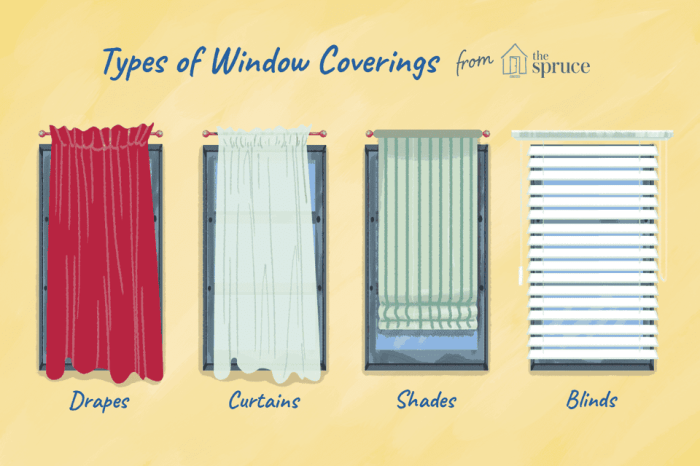
When it comes to window treatments, choosing between blinds and curtains can greatly impact the functionality and aesthetics of a room. Blinds are made of hard materials like wood, metal, or plastic, and can be adjusted to control the amount of light entering a room. On the other hand, curtains are made of fabric and offer a softer, more decorative touch to windows.
Differences in Functionality and Aesthetics
Blinds are more versatile in terms of light control, allowing for precise adjustments to the amount of light and privacy desired. Curtains, on the other hand, offer better insulation and sound absorption due to their fabric material. In terms of aesthetics, blinds have a more modern and minimalist look, while curtains can add warmth and texture to a room.
Advantages and Disadvantages of Blinds
- Advantages:
- Easy to clean and maintain
- Offer precise light control
- Modern and sleek appearance
- Disadvantages:
- Less insulation compared to curtains
- Can be more expensive than curtains
- Limited in fabric options
Advantages and Disadvantages of Curtains
- Advantages:
- Provide better insulation and sound absorption
- Offer a wide range of fabric choices
- Add a cozy and inviting feel to a room
- Disadvantages:
- Require more maintenance and cleaning
- Less precise light control
- Can make a room feel smaller if not chosen correctly
Situations where Blinds are More Suitable
Blinds are more suitable for modern and minimalist interiors where precise light control is needed. They are also a great choice for small spaces where bulky curtains might overwhelm the room.
Situations where Curtains are More Suitable
Curtains are ideal for creating a cozy and inviting atmosphere in living rooms and bedrooms. They are also a good choice for rooms that require better insulation and soundproofing.
Types of blinds
When it comes to choosing the right type of blinds for your window treatments, it’s essential to consider the different options available to find the perfect fit for your space. Let’s explore the various types of blinds and their features to help you make an informed decision.
Roller blinds
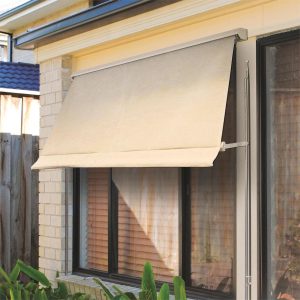
- Roller blinds are a popular choice for their sleek and minimalistic design.
- They are easy to operate and provide a clean look to any room.
- Roller blinds are available in a variety of colors, patterns, and fabrics to suit different decor styles.
Venetian blinds
- Venetian blinds consist of horizontal slats that can be tilted to control light and privacy.
- They are versatile and can complement both traditional and modern decor.
- Venetian blinds come in different materials such as wood, aluminum, and PVC for added customization.
Vertical blinds
- Vertical blinds have vertical slats that can be adjusted to regulate light and provide privacy.
- They are ideal for large windows and sliding doors, offering a contemporary look.
- Vertical blinds are available in various colors and textures to match different room aesthetics.
Roman blinds
- Roman blinds are made of fabric that folds up when raised and forms a flat panel when lowered.
- They add a touch of elegance and softness to any room decor.
- Roman blinds are customizable with different fabric choices, patterns, and linings for light filtering.
Panel blinds
- Panel blinds consist of large fabric panels that slide to stack on one side of the window.
- They are perfect for covering large windows and sliding doors, creating a modern and sleek look.
- Panel blinds offer a variety of panel widths and colors to create a customized window treatment.
Types of curtains
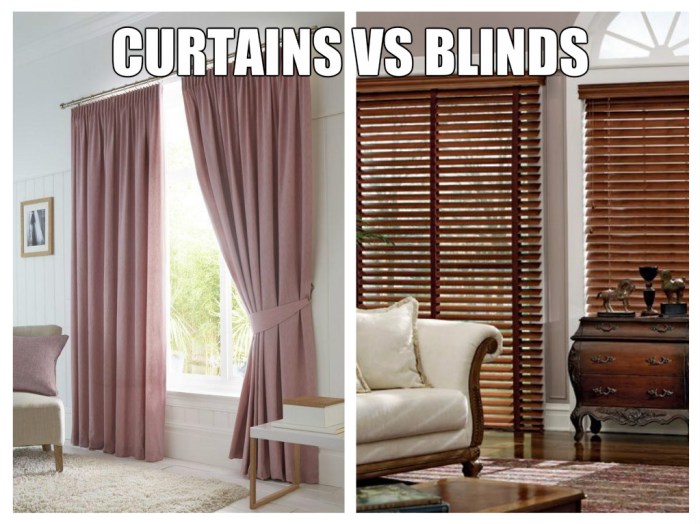
Curtains are not only functional but also play a significant role in enhancing the ambiance and design of a room. There are various types of curtains available in the market, each serving a specific purpose and functionality.
Sheer curtains
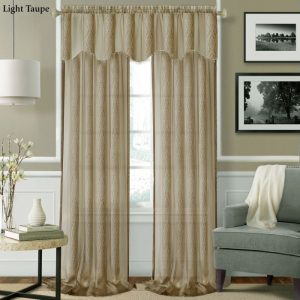
Sheer curtains are lightweight and translucent, allowing natural light to filter through while maintaining privacy. They add an airy and delicate touch to the room, perfect for creating a soft and elegant look.
Blackout curtains
Blackout curtains are made of thick, opaque fabric that blocks out light and provides privacy. They are ideal for bedrooms or home theaters, as they help in creating a dark environment for better sleep or movie-watching experience.
Thermal curtains
Thermal curtains are designed to regulate the temperature in a room by insulating against heat and cold. They help in maintaining a comfortable indoor climate, reducing energy costs, and providing sound insulation.
Patterned curtains
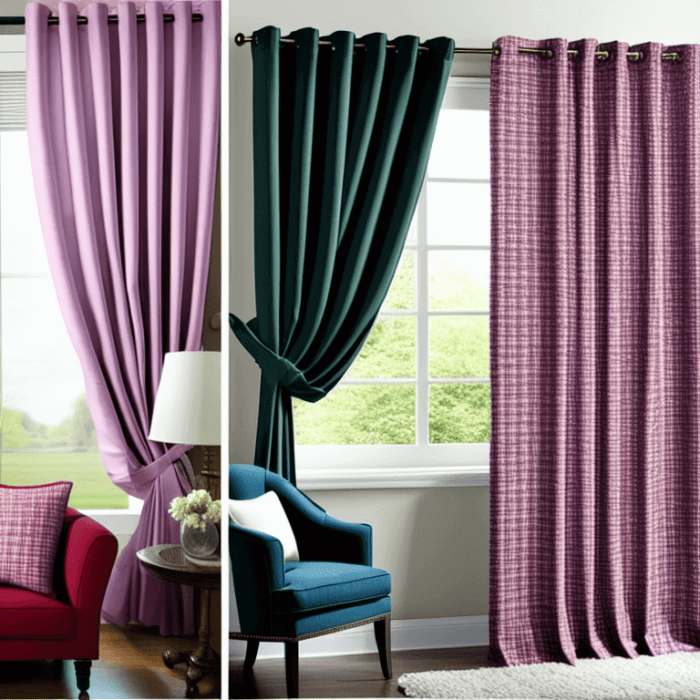
Patterned curtains add a pop of color and personality to a room. They come in various designs, from floral to geometric patterns, and can be used to complement the existing decor or make a bold statement.
Room-darkening curtains
Room-darkening curtains are a middle ground between sheer and blackout curtains. They filter some light while providing privacy and are suitable for areas where complete darkness is not required.
Window treatments
When it comes to window treatments, there are a variety of innovative options beyond traditional blinds and curtains that can enhance the look and functionality of a room. From window films to shutters and shades, each option offers unique features to consider when selecting the most suitable treatment for specific rooms in a house.
Innovative Window Treatment Ideas
- Window Films: These films can provide privacy and UV protection while still allowing natural light to filter into a room. They come in a variety of designs to suit different styles and preferences.
- Shutters: Wooden or vinyl shutters can add a touch of elegance to a room while offering excellent light control and privacy. They are durable and easy to clean, making them a popular choice for many homeowners.
- Shades: From roller shades to Roman shades, these versatile window treatments come in a wide range of colors and fabrics to complement any decor. They can be customized for light filtering or room darkening purposes.
Tips for Selecting Window Treatments
- Living Room: Consider light-filtering options to create a cozy ambiance while maintaining privacy. Choose treatments that complement the furniture and overall style of the room.
- Bedroom: Opt for room-darkening treatments to promote better sleep and relaxation. Look for options that block out light effectively and enhance the comfort of the space.
- Kitchen: Select treatments that are easy to clean and resistant to moisture and heat. Consider options like faux wood blinds or aluminum blinds that can withstand the conditions in a kitchen environment.
Importance of Natural Light, Privacy, and Energy Efficiency
- Natural Light: Choosing window treatments that allow natural light to enter a room can help improve mood and productivity. Consider translucent blinds or sheer curtains to maximize natural light while maintaining privacy.
- Privacy: It is essential to strike a balance between natural light and privacy when selecting window treatments. Options like top-down bottom-up shades or dual-function blinds can offer both privacy and light control.
- Energy Efficiency: Window treatments play a significant role in the energy efficiency of a home. Insulating options like cellular shades or thermal curtains can help reduce heat loss in winter and heat gain in summer, leading to lower energy bills.
In conclusion, the debate between blinds and curtains for window treatments offers a multitude of options to elevate your living space. Whether you opt for the sleek versatility of blinds or the cozy elegance of curtains, the key is to find the perfect balance between style and practicality to create a harmonious atmosphere in every room.
Top FAQs
Which is better for privacy: blinds or curtains?
Blinds are typically better for privacy as they can be adjusted to block out light completely, while curtains may allow some light to filter through.
Are blinds easier to clean compared to curtains?
Blinds are generally easier to clean as they can be wiped down with a damp cloth, whereas curtains may require washing or dry cleaning.
Do curtains or blinds offer better insulation for temperature control?
Thicker curtains like thermal curtains offer better insulation for temperature control, while blinds may not provide the same level of insulation.